
SkinPen Microneedling
Smooth. Renew. Restore your skin’s natural radiance.
At LKN Fountain of Youth, we believe beautiful skin is healthy skin—and SkinPen® is one of the most effective, science-backed ways to rejuvenate it naturally. As the first FDA-cleared microneedling device, SkinPen stimulates your body’s own collagen and elastin production to improve texture, minimize scarring, and restore a more youthful, radiant complexion.
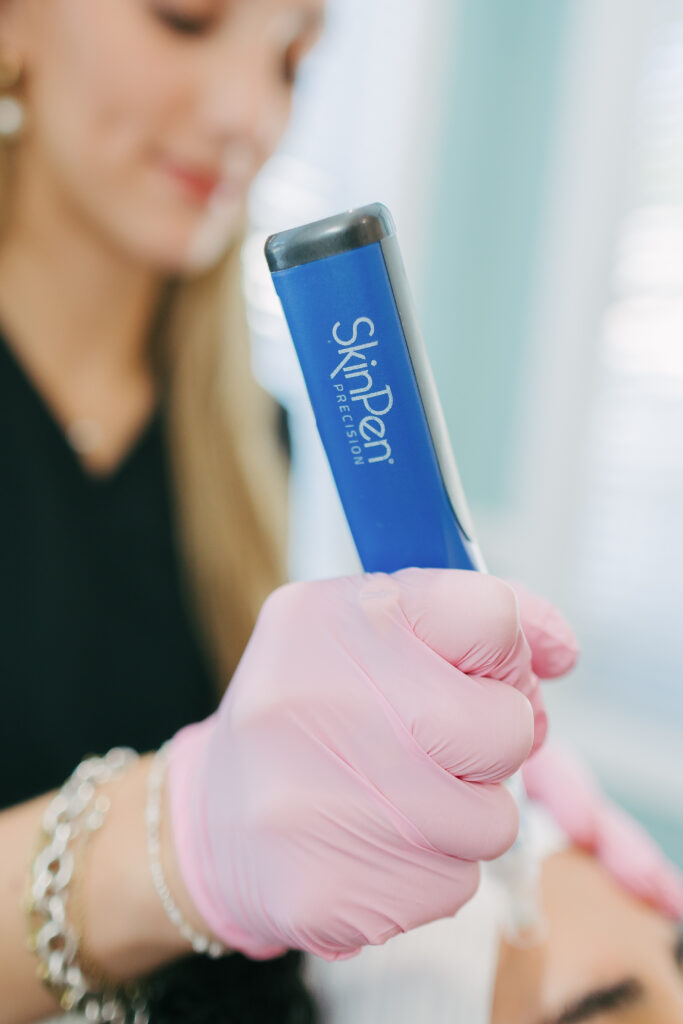
How SkinPen Microneedling Works
SkinPen creates controlled microchannels in the skin, triggering your body’s natural healing process—without causing damage. As your skin repairs itself, it produces new collagen and elastin, improving texture, tone, and firmness.
Your treatment may include:
Results continue to build for several weeks as your skin regenerates from within.
SkinPen Treats a Wide Range of Concerns
Great as a standalone treatment or paired with PRP/PRF, chemical peels, or medical-grade skincare for enhanced results.
Why Patients Choose SkinPen Microneedling
SkinPen is ideal for anyone seeking smoother, healthier, more youthful-looking skin without lasers or extended downtime.
SkinPen Microneedling FAQs
Does SkinPen hurt?
We apply a topical numbing cream before your treatment. Most clients describe it as light vibration or pressure—not pain.
What is the downtime?
Expect mild redness for 24–48 hours, similar to a sunburn. Some dryness or light flaking may follow. Most clients resume normal activities the next day.
When will I see results?
Many notice smoother, brighter skin within a week, with collagen improvements building for 4–6 weeks. For deeper concerns like acne scarring, a series of treatments provides the best results.
How many SkinPen sessions do I need?
Typically 3–6 treatments, spaced 4 weeks apart, depending on your goals. Your provider will customize your plan.
Is SkinPen safe for all skin types?
Yes — unlike some lasers, SkinPen microneedling is safe for all skin tones, including melanin-rich skin.
Can I combine SkinPen with other treatments?
Absolutely. SkinPen pairs well with PRP, chemical peels, DiamondGlow, and medical-grade skincare. Your provider can tailor a complete rejuvenation plan.
Pre- and Post-Procedure Instructions
Pre-Procedure Instructions
Goal: Prepare the skin and body to reduce irritation, bruising, and the risk of post-inflammatory hyperpigmentation (PIH).
1. One Week Before Treatment
-
Avoid sun exposure and tanning (including self-tanners) for at least 7 days.
-
Discontinue the following:
-
Retinoids (Retin-A, tretinoin, adapalene)
-
AHAs, BHAs (glycolic, lactic, or salicylic acids)
-
Vitamin C serums, benzoyl peroxide, or any exfoliating products
-
-
Avoid waxing, laser, or chemical peels on the treatment area for 1 week.
-
Stop blood thinners (aspirin, ibuprofen, fish oil, vitamin E, etc.) if medically permitted to minimize bruising.
-
Hydrate well — drink plenty of water in the days leading up to your appointment.
2. Day of Treatment
-
Arrive with clean skin — no makeup, lotions, sunscreen, or creams.
-
Eat a light meal or snack beforehand to help avoid lightheadedness.
-
Avoid alcohol and caffeine for 24 hours before your appointment.
-
Let your provider know if you:
-
Have any active acne, cold sores, eczema, or infections in the area.
-
Are using Accutane (must be off for 6–12 months before treatment).
-
Are pregnant or breastfeeding.
-
-
Post-Procedure Instructions
Goal: Support healing, reduce inflammation, and prevent infection for optimal collagen remodeling.
1. Immediately After Treatment (0–24 Hours)
-
Expect redness, warmth, and tightness similar to a mild to moderate sunburn; this may last 24–48 hours.
-
Do not touch, rub, or apply makeup for at least 24 hours.
-
Use only the post-care products provided or approved by your provider (usually a gentle cleanser and hydrating serum).
-
Avoid sunscreen for the first 12 hours (unless specifically instructed), then use a physical/mineral SPF 30+ once the skin calms.
-
Avoid ice packs or cooling unless directed — mild heat is part of the healing cascade.
2. First 48–72 Hours
-
Avoid:
-
Sun exposure, heat, exercise, saunas, or sweating
-
Makeup, self-tanner, or unapproved skincare products
-
Touching or picking at the treated area
-
-
Cleanse gently: Use cool water and a mild, fragrance-free cleanser twice daily.
-
Hydrate: Use hyaluronic acid serum or gentle moisturizer as recommended.
-
Avoid alcohol and smoking to promote optimal collagen synthesis.
3. Days 3–7
-
You may notice light flaking, dryness, or tightness — do not pick or peel.
-
Continue gentle skincare with approved hydrating products.
-
Resume mineral sunscreen daily (SPF 30+).
-
You can typically resume light makeup after 48–72 hours, depending on skin sensitivity.
4. After 1 Week
-
Most redness should subside; mild pinkness may persist temporarily.
-
You can resume normal skincare (including retinoids or acids) after 5–7 days, or once the skin barrier is fully healed.
-
Avoid tanning for at least 2 weeks post-treatment.
-
Follow your provider’s recommendations for maintenance — typically every 4–6 weeks for a series of 3–6 treatments.
When to Contact Your Provider
-
Prolonged redness or swelling beyond 4 days
-
Signs of infection (increased warmth, pus, or tenderness)
-
Development of cold sores or acne flare-ups
-
Unexpected rash, bruising, or pigmentation changes
Additional Notes
-
Results: Collagen remodeling continues for several weeks; expect visible improvement in texture and tone within 4–6 weeks.
-
Combination treatments: If combined with PRP, laser, follow any additional aftercare provided.
-
Maintenance: To sustain results, schedule ongoing sessions every 3–6 months after initial series.
-